Free Worldwide Shipping
30% Discount for you
Tax Free Shopping
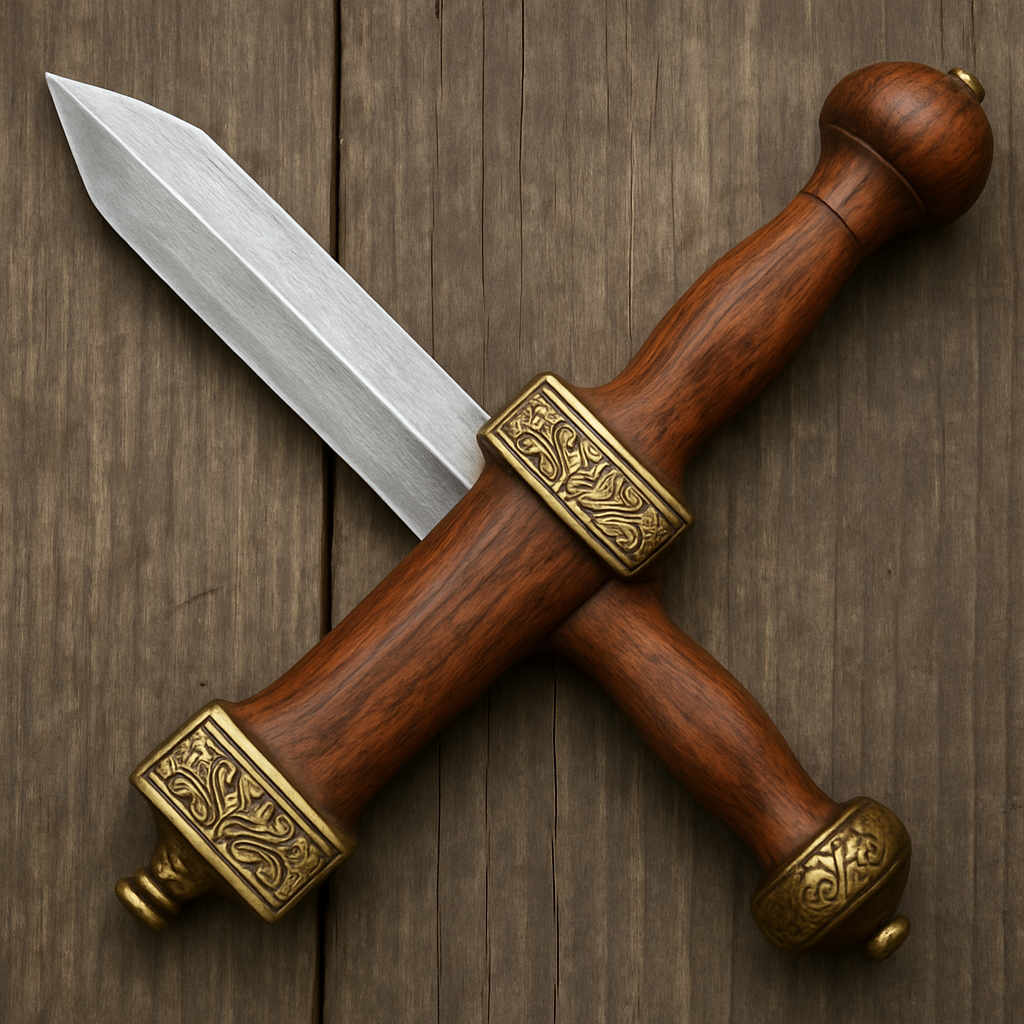
The Gladius sword is a symbol of Roman might and precision. Known for its short, double-edged blade, it was a staple in Roman warfare. This weapon was favored by both soldiers and gladiators for its effectiveness in close combat.
The handmade Roman Gladiator sword is a modern tribute to this ancient weapon. It features a rosewood handle, brass carvings, and a 12C27 stainless steel blade. These elements combine to create a piece that is both functional and beautiful.

The Gladius played a crucial role in the expansion of the Roman Empire. Its design reflects the Roman focus on practicality and efficiency. Today, collectors and history enthusiasts seek out these swords for their historical significance and craftsmanship.
The Gladius originated from the Iberian Peninsula, initially adopted by Roman soldiers around the 3rd century BCE. Its design was inspired by the swords used by the Celtiberians in Spain. This weapon became a core part of the Roman infantry’s arsenal.
The Roman Gladius underwent several design changes over time. The early Mainz style featured a broad, tapered blade. This was later followed by the narrower, more pointed Pompeii style. Each variant was designed to match changing military tactics and battlefield needs.
Key design features included:

The evolution of the Gladius mirrored Rome’s military strategies. As battles evolved from large-scale engagements to more intimate close-quarter combat, the Gladius adapted accordingly. This adaptability ensured its effectiveness across various campaigns, significantly contributing to Rome’s military successes. The Gladius’s legacy endures in the design of modern swords, showcasing its timeless influence on sword-making traditions.
The Gladius was a cornerstone of Roman military might. Soldiers wielded it during crucial battles, using its short length for agility and precision. It paired perfectly with the large Roman shield, or scutum, allowing for defensive strategies.
In gladiatorial arenas, the Gladius was infamous. Gladiators used it to deliver lethal thrusts in tense, head-to-head battles. The weapon symbolized both Rome’s martial discipline and the brutal entertainment of the era.
Key aspects of its use include:
The Gladius also served as a tool for symbolizing imperial power. Its use in spectacular games was meant to demonstrate Rome’s dominance. For Roman warriors and spectators alike, the Gladius was more than a weapon; it was a symbol of the empire’s strength and cultural influence.
The handmade Roman Gladiator sword is a marvel of ancient engineering. Each part of the sword serves a unique purpose. Its design emphasizes balance and efficiency, showcasing Roman innovation in weaponry.
The blade is short and double-edged. This structure allows for powerful thrusts and close combat. Its tapered shape ensures quick, accurate strikes. The blade’s length, typically around 20 inches, makes it versatile.
Key features of its anatomy include:
The grip is equally important. Crafted from rosewood, it offers comfort and style. The wood’s natural textures provide the user with a reliable grip. This reduces slippage during combat. The guard serves both protective and decorative purposes. Its simplicity complements the sword’s efficient design, ensuring it does not get caught or hinder use.
The artistry of the handmade Roman Gladiator sword lies in its materials. Each component reflects both beauty and functionality. The use of rosewood for the handle is not merely aesthetic. Rosewood is known for its density and durability. This allows for a firm grip, essential in intense situations.
Brass carvings enhance this traditional weapon’s historical appeal. Each brass detail is meticulously engraved, showcasing ancient Roman symbols and motifs. These carvings tell a story of their own, adding depth and character to the sword. Brass also provides the sword with a refined and elegant finish.
The blade’s 12C27 stainless steel composition is a testament to modern craftsmanship. Its remarkable sharpness and resistance to corrosion make it ideal for collectors and enthusiasts. Unlike ancient irons, this stainless steel ensures the sword remains pristine over time.
Key features of the materials include:
This combination of materials ensures the sword is both functional and visually striking. It stands as a bridge between ancient traditions and contemporary craftsmanship, appealing to all who value historical weaponry.
Damascus steel is legendary in the field of sword making. Known for its wavy patterns and extraordinary strength, it draws attention with its beauty and functionality. This type of steel has been prized for centuries, especially for its resilience in battle.
Incorporating Damascus steel into a Gladius sword enhances its performance and allure. The patterns aren’t just for show; they indicate layers of high carbon steel that allow the blade to bend without breaking. This innovation delivers a superior level of flexibility and toughness.
Key attributes of Damascus steel include:
These characteristics make swords crafted with Damascus steel prized items in modern collections. The blend of ancient techniques with this formidable steel contributes to the ongoing fascination with Damascus blades.
Owning a Gladius sword offers a unique connection to history. These swords are more than collectibles; they symbolize ancient Rome’s military prowess. Enthusiasts and collectors often seek genuine replicas for their historical value and craftsmanship.
When collecting Gladius swords, several aspects should be considered. Authenticity and craftsmanship are vital elements. It’s essential to assess the materials used and the accuracy of the sword’s historical design. This enhances both the sword’s aesthetic appeal and its collectible value.
When choosing a Gladius, consider the following:
Having a Gladius sword not only enriches a collection but also provides a tangible connection to the rich history of ancient Rome.
Searching for a Gladius sword for sale requires keen attention to detail. The market offers replicas varying in quality and authenticity. Identifying genuine pieces demands understanding key features and craftsmanship.
Potential buyers should focus on specific attributes that define a quality Gladius. The choice of materials, such as rosewood and 12C27 stainless steel, plays a crucial role. Authentic brass carvings add to a sword’s historical feel.
When purchasing, consider these factors:
A well-crafted Gladius sword represents more than just a weapon. It’s a testament to Roman history and skill. Making an informed choice ensures a valuable addition to any collection.
The Gladius sword remains a symbol of Roman strength and innovation. Its design reflects the Romans’ strategic genius.
Today, the sword fascinates historians and collectors alike. Owning one connects enthusiasts to an ancient and storied past, where history and craftsmanship converge. The Gladius continues to endure through its legacy.
No account yet?
Create an Account


 Kukri Knives