
Blog
When Must a Knife Be Cleaned and Sanitized | Prime Damascus

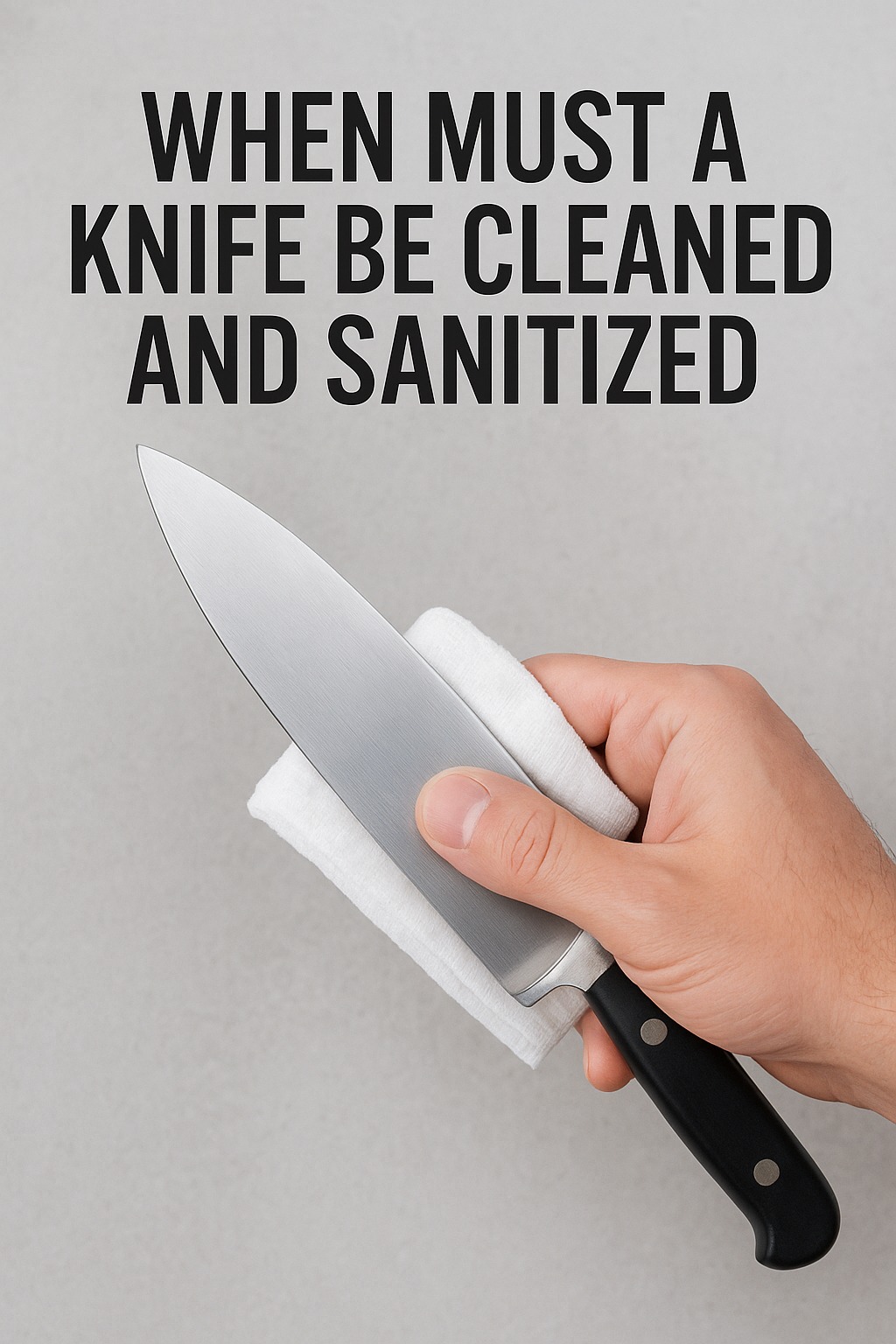
When Must a Knife Be Cleaned and Sanitized?
At Prime Damascus, we believe that a high-quality knife deserves proper care. Whether it’s a kitchen knife, hunting blade, or a handcrafted Damascus piece, keeping your knife clean and sanitized is essential for safety, hygiene, and longevity.
Cleaning vs. Sanitizing – What’s the Difference?
- Cleaning removes visible dirt, food particles, and residue from the blade.
- Sanitizing kills bacteria and harmful microorganisms that regular cleaning may not eliminate.
Both steps are crucial to maintain your knife’s performance and ensure it remains safe for use.
When Should You Clean a Knife?
You should always clean your knife in these situations:
- After Every Use – Especially when preparing meals.
- When Switching Between Foods – For example, from cutting raw meat to slicing vegetables.
- If the Knife Touches the Ground or Contaminated Surface – Dirt and germs can easily transfer to the blade.
- Before Storage – Always clean and dry knives before putting them away.
When Must You Sanitize a Knife?
Sanitizing is necessary when hygiene is critical:
- After Cutting Raw Meat, Poultry, or Seafood – Prevents cross-contamination and foodborne illnesses.
- In Professional Kitchens – Compliance with food safety standards requires regular sanitizing.
- For Hunting or Outdoor Knives – After skinning game or exposure to blood and organic matter.
- If Knives Are Stored for Long Periods – Sanitizing ensures freshness before next use.
Best Practices for Cleaning and Sanitizing Knives
- Use Warm Water & Mild Soap – Gently scrub with a soft sponge.
- Avoid Dishwashers – High heat and detergents can damage premium blades like Damascus steel.
- Sanitize Safely – Use food-grade sanitizing solutions or a mix of hot water and vinegar.
- Dry Immediately – Prevents rust and preserves blade sharpness.
- Store Properly – In a sheath, knife block, or magnetic strip to keep it safe.
Why It Matters
- Food Safety – Prevents bacteria like Salmonella and E. coli from spreading.
- Blade Longevity – Protects against rust, stains, and dulling.
- Maintains Value – A well-maintained Damascus knife keeps its beauty and sharpness for years.
Final Thoughts
A knife is more than just a tool—it’s an investment. At Prime Damascus, we recommend cleaning your knife after every use and sanitizing it whenever hygiene is critical. By following these simple steps, you can keep your knives safe, sharp, and ready for every task.
👉 Explore our collection of Damascus knives at Prime Damascus, built to last and designed for those who value craftsmanship and performance.

 Kukri Knives