
Blog
What is a Nakiri Knife Used For

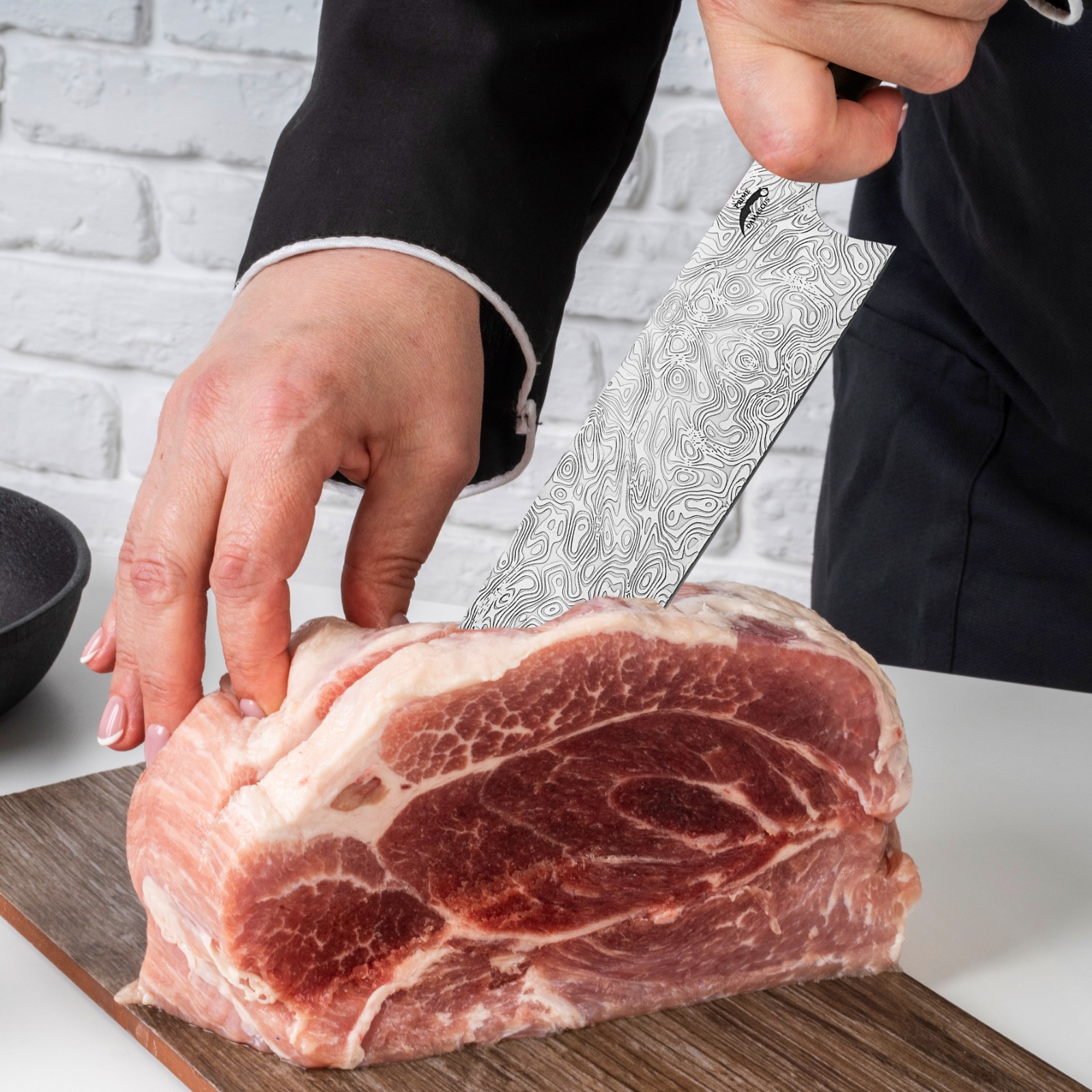
The nakiri knife is a staple in many kitchens, especially for those who love cooking with vegetables. Its unique design and features make it a favorite among chefs and home cooks alike.
But what exactly is a nakiri knife used for? This article will explore the various uses and benefits of this versatile tool.
From slicing to dicing, the nakiri knife offers precision and ease. Its straight edge and lightweight design make it perfect for quick, efficient vegetable preparation.
Whether you’re a seasoned chef or a cooking enthusiast, understanding the nakiri knife’s用途 can enhance your kitchen skills.
Join us as we delve into the world of nakiri knives and discover their many advantages.
What is a Nakiri Knife? Understanding Its Origins and Design
The nakiri knife is a traditional Japanese tool, rooted deeply in culinary customs. Its history is tied to the art of vegetable preparation in Japan, a craft that values precision and respect for ingredients. This knife is specifically crafted for slicing vegetables with grace and efficiency.
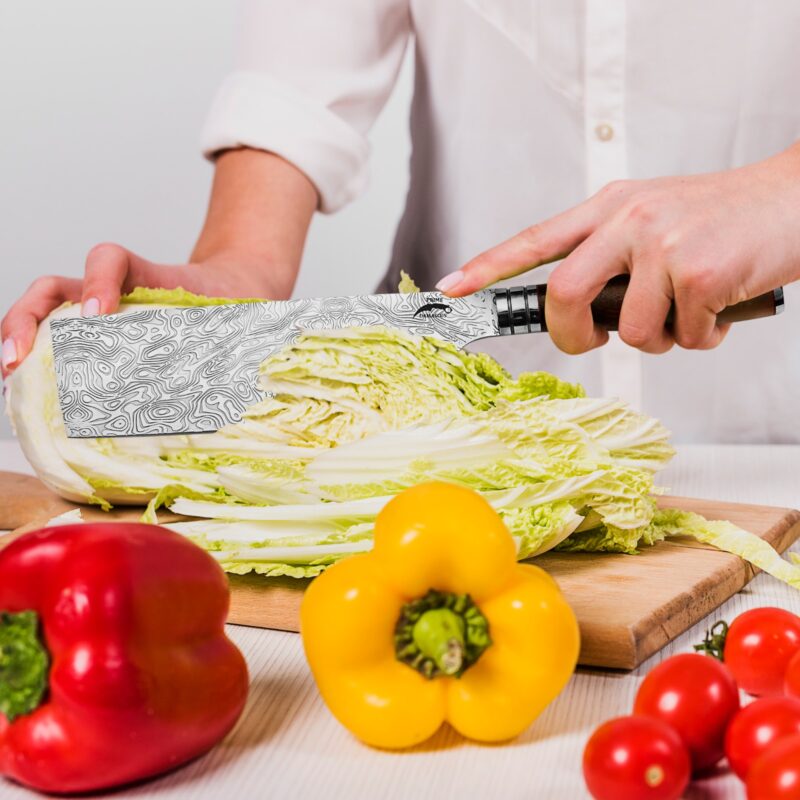
The nakiri features a rectangular blade with a straight edge, distinct from other knife types. This design allows the entire blade to make contact with the cutting board, facilitating a fluid push-cutting motion. The blade shape makes it easy to scoop cut vegetables, which aids in transferring them to bowls or pans.
Generally, nakiri knives are made from high-carbon stainless steel. This material ensures durability and maintains sharpness over time. Their lightweight nature contributes to comfortable handling and reduces fatigue during prolonged use.
Key design elements of a nakiri knife include:
- Double-beveled edge: Suitable for both right and left-handed users.
- Blade length: Typically ranges from 5 to 7 inches.
- Ergonomic handle: Often made from wood or synthetic materials.
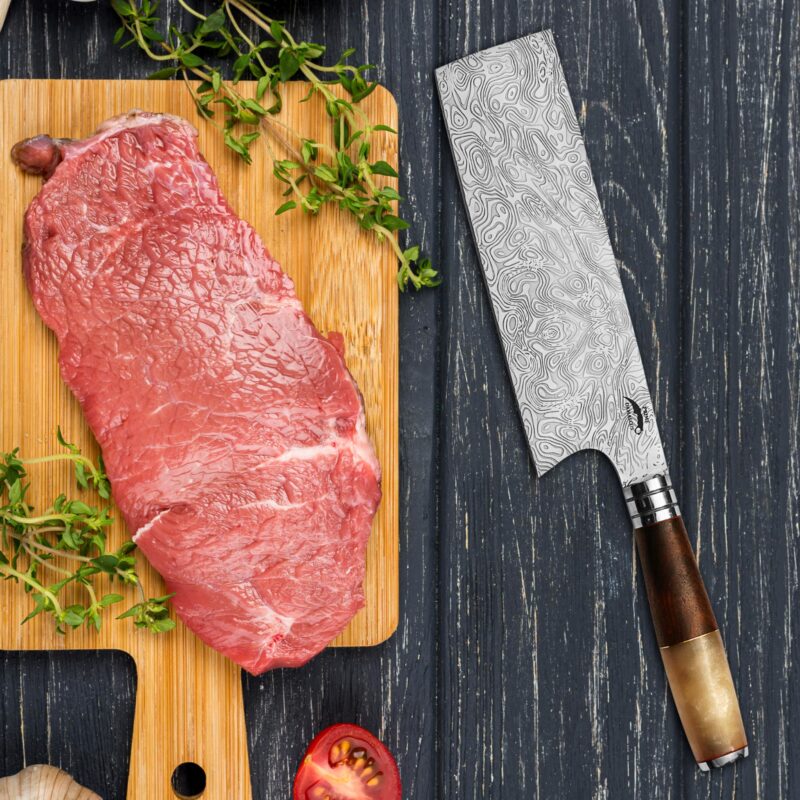
Understanding these features and origins can help you appreciate the craftsmanship behind a nakiri knife.
Key Features of a Nakiri Knife
Nakiri knives are not just visually striking; they are engineered for specific kitchen tasks. One of their standout features is their straight-edged blade, designed for precision cutting. This makes them perfect for creating uniform slices, crucial for even cooking.
The double-beveled blade is another notable feature. It suits both left-handed and right-handed users, providing versatility in handling. This edge design enhances control, minimizing slippage and ensuring safer cuts.
Typically, these knives boast a lightweight construction. This reduces hand fatigue, especially during lengthy prep sessions. Their balance also contributes to ease of use, making them a favorite among both home cooks and professional chefs.
Key features of a nakiri knife include:
- Straight-edge blade: Ideal for clean, precise cuts.
- High-carbon stainless steel: Ensures lasting sharpness and durability.
- Ergonomic handle: Designed for comfort and control.

The thoughtful combination of these features ensures the nakiri knife stands out in any kitchen setting, providing both functionality and aesthetic appeal.
Nakiri Knife Uses: What Can You Cut?
Nakiri knives are quintessential tools for vegetable preparation. Their unique design makes them perfect for chopping, slicing, and dicing a variety of vegetables with precision. This knife is your go-to for creating thin, even slices necessary for many dishes.
These knives excel with leafy greens, herbs, and delicate vegetables. Their sharp, thin blades minimize bruising, preserving texture and flavor. As a result, your salads and garnishes will look and taste fresher.
Beyond greens, nakiri knives handle root vegetables exceptionally well. Whether you’re cutting carrots, potatoes, or beets, the nakiri delivers clean cuts without unnecessary effort. Its flat blade pushes through vegetables smoothly, providing efficiency in meal prep.
Using a nakiri knife, you can elevate your culinary presentation. It allows for intricate cuts, enhancing the aesthetics of your dishes. Your culinary creations will not only taste great but also look professionally plated.
Here’s what you can cut with a nakiri knife:
- Leafy greens: Spinach, lettuce, kale.
- Herbs: Basil, cilantro, parsley.
- Root vegetables: Carrots, radishes, beets.
- Fruits: Apples, cucumbers, zucchini.

Overall, incorporating a nakiri knife into your kitchen arsenal can transform how you handle vegetable preparation.
Benefits of Using a Nakiri Knife
A nakiri knife offers numerous benefits in the kitchen. Its design prioritizes precision, making it ideal for intricate cuts. This is crucial for achieving uniformity in meal preparation.
One of the standout benefits is its ability to reduce fatigue. Its lightweight nature ensures ease of handling, even during prolonged cooking sessions. This makes it a favorite among both home cooks and professionals.
The nakiri knife also promotes efficiency. Its sharp, straight blade effortlessly tackles a wide range of vegetables. This helps save time, allowing you to focus on other aspects of cooking.
Another key advantage is its dual-beveled edge. This feature caters to both left and right-handed users. With this in mind, a nakiri knife proves to be a versatile kitchen tool.
Here are some benefits summarized:
- Precision cutting for uniform slices.
- Lightweight design reduces hand fatigue.
- Efficient and time-saving in meal prep.
- Ambidextrous usability due to the double-beveled edge.
A nakiri knife truly enhances the culinary experience, making it a valuable addition to any kitchen.
Essential Nakiri Knife Skills and Techniques
Mastering a nakiri knife involves specific skills and techniques. These ensure you make the most out of this exceptional tool.
The primary skill is the push-cutting technique. Unlike other knives, nakiri knives excel at this due to their straight blade. This method involves pushing the blade downward and forward in a smooth motion.
Developing proper grip is also crucial. Hold the handle firmly but not too tightly, allowing fluidity of movement. The right grip enhances control and safety while cutting.
Another important technique is cutting with full blade contact. The straight edge should touch the cutting board completely. This minimizes bruising of delicate vegetables like herbs and leafy greens.
Understanding knife balance can significantly improve your cutting skills. A well-balanced nakiri knife facilitates a natural motion. This leads to more accurate and effortless cuts, boosting your overall efficiency.
To get started, here are some simple techniques:
- Push-cutting for smooth slicing.
- Firm grip to maintain control.
- Full blade contact reduces bruising.
- Focus on balance for smoother motions.
With practice, these skills can transform your cooking routine. Ultimately, a nakiri knife helps elevate your kitchen expertise.

Nakiri Knife vs. Other Japanese Knives
Japanese knives are revered for their precision and craftsmanship. Among them, the nakiri knife holds a unique place for its vegetable-cutting prowess.
In contrast, the usuba knife resembles the nakiri but is more suited for professional chefs. It requires advanced skills due to its single-beveled edge. This edge, however, allows for more intricate cuts when mastered.
The santoku knife is often compared to the nakiri for its versatility. Unlike the nakiri, the santoku is multi-purpose, suitable for various tasks beyond vegetables, like slicing meats.
Each Japanese knife has its strengths:
- Usuba: professional vegetable preparation
- Santoku: all-purpose, including meats
- Nakiri: home-friendly vegetable slicing
Choosing the right knife depends on your needs. Home cooks may find the nakiri’s simplicity ideal for daily vegetable prep. Professional chefs might prefer the usuba for its precision capabilities.
How to Choose the Right Nakiri Knife
Selecting a nakiri knife involves considering several factors. These include blade material, handle comfort, and balance. Each element contributes to the knife’s overall performance and user experience.
Blade material greatly impacts the knife’s sharpness and longevity. High-carbon stainless steel is a popular choice for its durability and edge retention. When assessing the handle, look for materials like wood or synthetic for a comfortable grip.
You should also weigh these features when choosing:
- Blade length: typically 5 to 7 inches
- Blade thickness: affects cutting precision
- Weight: lighter for better maneuverability
Your knife selection should suit your cooking habits and skill level. A well-chosen nakiri knife enhances the cooking experience and efficiency. Beginners may prefer knives with ergonomic handles for ease of control.
Care and Maintenance Tips for Your Nakiri Knife
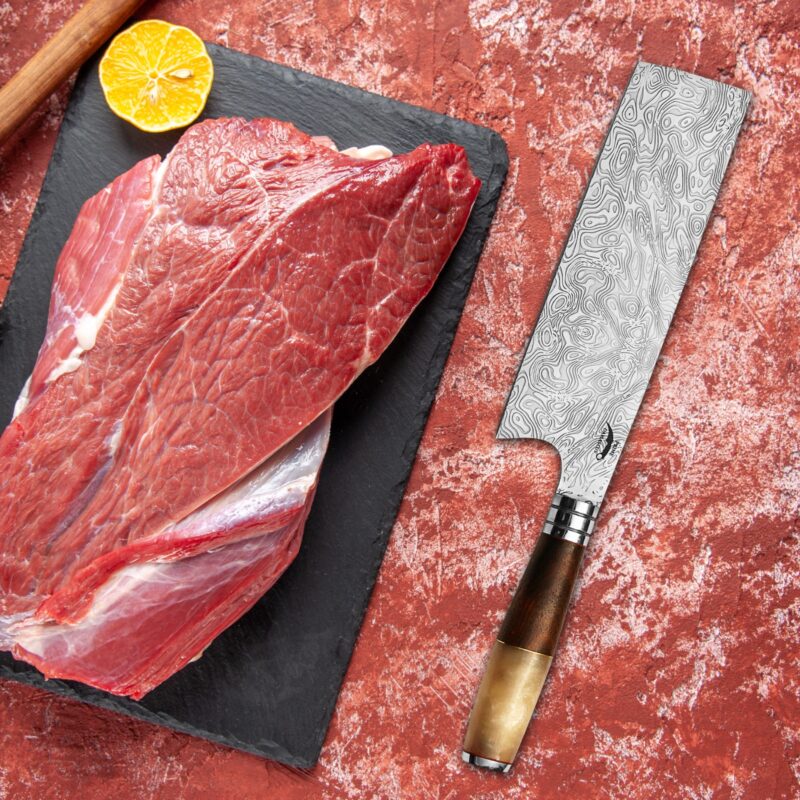
Proper care is crucial for maintaining your nakiri knife’s performance. Regular upkeep extends its lifespan and keeps it sharp. Follow key maintenance steps for optimal results.
First, always hand wash your nakiri knife. Avoid using dishwashers as they can dull the blade and damage the handle. Mild soap and warm water suffice for effective cleaning.
Secondly, regular honing is essential to keep the edge sharp. Sharpen with a whetstone or use a professional sharpening service as needed.
- Dry thoroughly: prevent rust and corrosion.
- Store safely: use a knife block or magnetic strip.
- Inspect regularly: check for chips or dullness.
Adhering to these maintenance guidelines ensures your nakiri knife remains a reliable tool in your kitchen.
Frequently Asked Questions About Nakiri Knives
Many people wonder what makes nakiri knives unique compared to other kitchen knives. Nakiri knives are specifically designed for cutting vegetables, offering precise cuts with ease.
Is a nakiri knife suitable for beginners? Absolutely. Its straightforward design and balance make it user-friendly. Beginners can quickly improve their skills using this knife.
Here are some common questions:
- Can it cut meat? Primarily meant for vegetables, but can handle some meat.
- Are they durable? Yes, if properly maintained.
- Do they need special storage? Keep them in a knife block or magnetic strip.
Understanding these aspects can help you make the most of your nakiri knife, ensuring it serves you well in the kitchen.
Conclusion: Is a Nakiri Knife Right for You?
Deciding whether a nakiri knife suits your needs depends on your cooking habits. If you often prepare vegetable-heavy dishes, this knife is a great choice.
Its precision and ease of use make it beneficial for beginners and experienced cooks alike. Investing in a good nakiri knife can enhance your culinary skills and improve your cooking experience overall. Consider adding this versatile tool to your kitchen arsenal for a more enjoyable and efficient cooking routine.

 Kukri Knives